
OnlyFans Card Holds at Signup: What the Charge Means
If you have just signed up for OnlyFans and noticed a small pending charge on your card, you are not alone. That temporary amount is almost always a card hold, not a subscription payment. Understanding what it is, why it appears, and how long it lasts saves you from unnecessary worry.

A card hold is a short authorization placed by a payment processor to confirm that your card is valid and has available funds. It is not a bill from the creator and it is not a fee from the platform itself. The hold usually disappears on its own within a few days. This article explains what the charge means, how it differs from a real subscription, and what to do if it lingers longer than expected.
What a Card Hold Is
A card hold is a pending transaction that a payment system creates to test a card. The money is reserved, not transferred. Your bank shows it as pending because the final amount may change or the charge may be removed entirely.
Processors use holds because they need a live check before approving recurring payments. If the card fails, the subscription never starts. If the card passes, the hold clears and the real charge follows only when you confirm a paid page.
Some people confuse a hold with a refund. A hold is simply an authorization that expires; a refund is a completed transaction that is reversed. The two look similar in your banking app but behave differently.
| Signal | Good example | Poor example |
| Status label | Pending authorization | Completed purchase |
| Amount | Small, often $1 or less | Exact subscription price |
| Duration | Clears in 1-5 days | Stays posted permanently |
| Merchant name | Processor or platform name | Creator name only |
If the status says pending and the amount is small, you are almost certainly looking at a hold. If the status says completed and the amount matches a page price, it is a real subscription charge.

Why Platforms Use Holds
Holds exist mainly to reduce fraud and failed payments. A stolen card number usually fails a small authorization test. A valid card passes, which lets the platform approve the account without risk.
A second reason is verification speed. Instead of waiting for a full transaction to settle, the processor checks the card in seconds. That keeps signup fast and avoids declined subscriptions later.
Payment networks also require some form of validation before recurring billing can begin. Without it, a subscription could start on a card that has no funds, creating disputes and chargebacks for everyone involved.
- The processor sends a small authorization request to your bank.
- Your bank reserves the amount and marks it pending.
- The platform receives a valid or invalid response.
- If valid, the hold expires and the account is approved.
- If invalid, the hold is voided and signup stops.
Tip: Never enter card details on a page that does not show a secure connection. A hold is normal, but a missing padlock is not.

Typical Hold Amounts
Hold sizes vary by processor and region, but most are small. The purpose is verification, not payment, so a large hold would defeat the point. A small amount proves the card works without moving real money.
Some banks round the pending amount up or down when displaying it. That does not change what the processor requested. The final posted amount, if any, is what matters.
| Hold amount | What it usually signals |
| Under $1 | Standard card validation test |
| $1 to $2 | Validation plus currency conversion check |
| Matches page price | Likely a real subscription charge |
| Repeats monthly | Active auto-renewing subscription |
Paid subscription prices range from $4.99 at the minimum to $49.99 at the maximum. Typical paid pages sit between $4.99 and $15, with averages around $5 to $10. There is no base price below $4.99, though promotional first months may dip lower.
Free pages set the price to $0 and earn through pay-per-view messages and tips instead. A hold on a free page signup is still possible because the card is being verified even when no subscription fee applies.

How Long Holds Last
Most holds clear within one to five business days. The exact timeline depends on your bank, the processor, and whether a weekend or holiday falls in between. Debit cards often clear faster than credit cards.
If the hold was only a validation test, it usually disappears without ever posting. If it was tied to a real subscription, it converts into the actual charge once the payment settles.
Platform fee is 20% on everything, including subscriptions, tips, and pay-per-view. The creator keeps 80%. That split does not affect your hold, but it explains why the posted amount sometimes differs from what you expected.
- Month one: possible small hold, then the first subscription charge if you joined a paid page.
- Month two: renewal at the same price unless the creator changed it.
- Month three: same renewal, plus any tips or pay-per-view you chose to send.
- Any month: promotional pricing may end and return to the standard rate.
When a creator raises the subscription price, auto-renew stops. Existing access lasts until the current paid period ends. You then decide whether to renew at the new price.

Hold Versus Real Charge
The clearest difference is the status label in your banking app. A hold shows as pending or authorization. A real charge shows as posted or completed and stays in your statement. For a starting point, top 5 onlyfans earnings collects free pages.
A second difference is timing. A hold appears at signup and clears quickly. A real charge appears when a subscription starts or renews and repeats on a monthly cycle.
A third difference is the amount. Holds are usually tiny. Real charges match a page price within the $4.99 to $49.99 range, or a promotional rate during a first month.
- Pending status with a small amount points to a hold.
- Posted status with a page price points to a subscription.
- A charge that repeats monthly is a subscription, not a hold.
- A charge that vanishes in days was a hold.
- A charge tied to a message or tip is pay-per-view, not a hold.
OnlyFans has no built-in discovery feed or directory. That is why ranking sites exist and why some signup pages route through third-party lists. BestOnlyFans is one example of a site that organizes free pages for readers.

What to Do If It Lingers
If a pending charge lasts longer than five business days, contact your bank first. They can see whether the authorization is still open or has already been voided on their side.
If the bank confirms the hold is still active, ask the merchant to release it. Most processors can void an authorization on request. Keep the date, amount, and merchant name handy before you call.
Do not open a dispute for a pending authorization. Disputes are for posted charges. Filing one too early can slow the release and complicate your account standing.
- Do not assume a pending charge is fraud before checking the status.
- Do not cancel your card over a normal hold.
- Do not file a chargeback for an amount that has not posted.
- Do not ignore a hold that lasts beyond ten business days.
Protecting Your Card Details
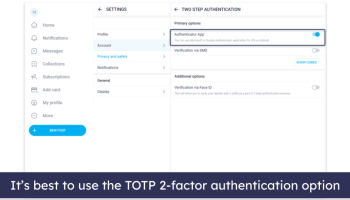
Use a card that offers virtual numbers if your bank provides them. A virtual number limits exposure because you can freeze or replace it without changing your main card. Turn on two-step authentication for your account. It adds a second check at login and reduces the chance that someone else changes your payment settings.
Review your statement weekly during the first month after signup. That habit makes it easy to spot a real charge, a hold, or anything unexpected. Keep your login details private and avoid saving card data on shared devices. A hold is harmless, but a saved card on a shared browser is a real risk.
If you compare pages before subscribing, a rankings site like BestOnlyFans can help you see which pages are free and which charge. That reduces surprise charges later.
Signup Walkthrough
The payment screen asks for standard card details: number, expiry, and security code. After you confirm, the processor runs its authorization check and the hold appears.
If you joined a free page, no subscription charge follows. If you joined a paid page, the real charge posts once the subscription begins. Either way, the account is active after the check passes.
You can review your subscriptions at any time in your account settings. Cancelling stops future renewals but does not refund the current period.
- Enter your card details on the secure payment screen.
- Confirm the payment method and submit.
- Watch for a small pending charge in your banking app.
- Wait for the hold to clear or convert into the real charge.
- Check your subscriptions list to confirm what is active.
- Set a reminder before the next renewal date.
Knowing the difference between a hold and a real charge keeps your budget clear. A hold is a routine check, a subscription is a commitment, and both are easy to track once you know what to look for.
For broader context on how creator earnings are distributed across the platform, see this breakdown of top 5 onlyfans earnings. It explains why the fee structure matters to subscribers as well as creators. BestOnlyFans refreshes its rankings every month.
FAQ
Is the small charge at signup a scam?
No. It is a standard card authorization used to confirm your card is valid before the account is approved.
How long does the hold usually stay pending?
Most holds clear within one to five business days, though bank processing times can extend that slightly.
Will the hold turn into my subscription payment?
Only if you subscribed to a paid page. On a free page, the hold simply expires with no charge.
Can I get the hold removed faster?
You can ask your bank or the merchant to void the authorization, but release times still depend on the bank.